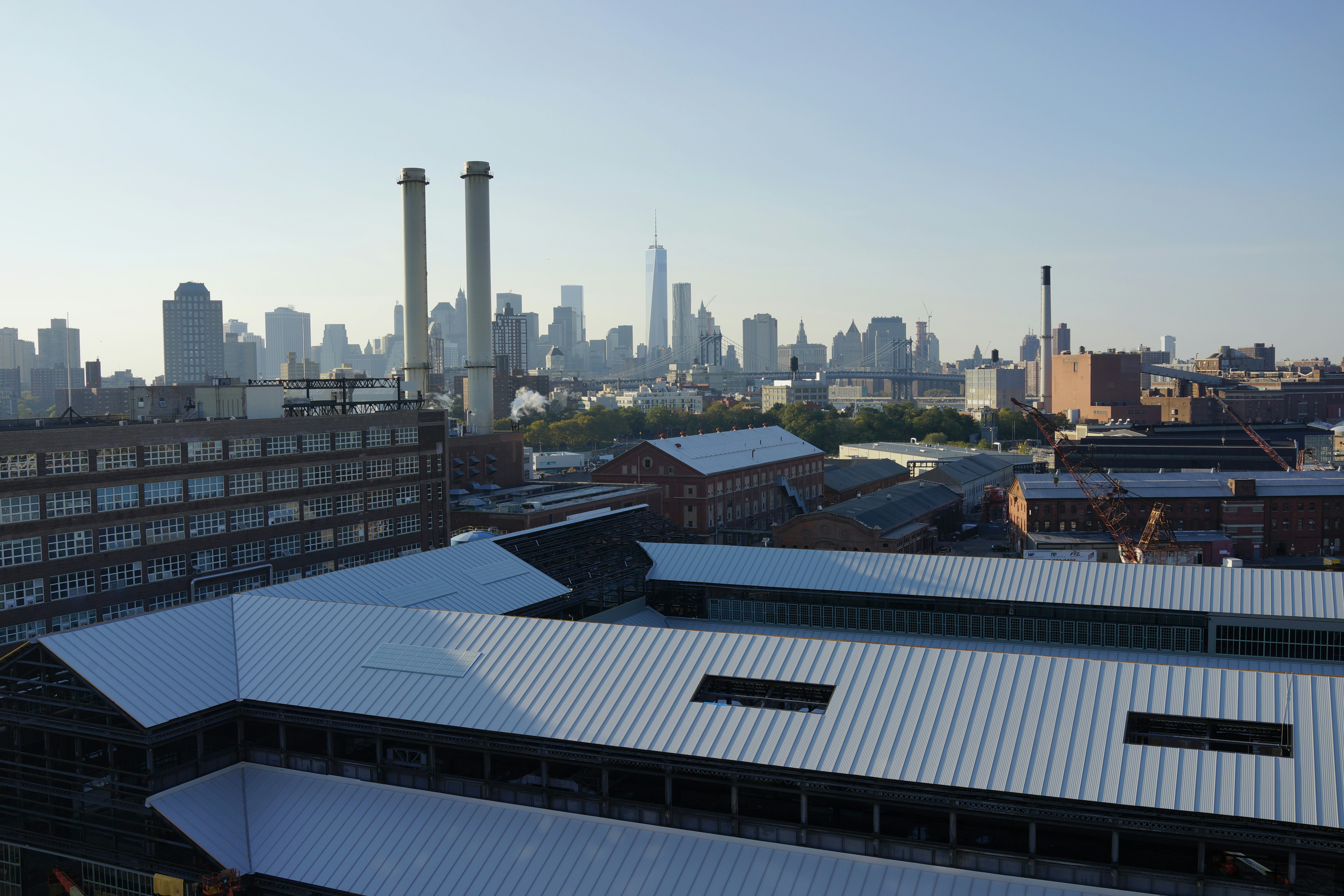
Manchester, UK
Post-Industrial Regeneration & Northern Powerhouse
Key Facts Quick Reference
Population
~2.8M (Metro)
Area
1,276 km²
Economy
Media, Finance
Major Landmarks
Town Hall, Etihad
Transport
Metrolink Tram
Overview
Located in North West England, Greater Manchester covers 1,276 km². Once the global center of the cotton industry during the Industrial Revolution, it has transformed into a modern, diverse metropolis and is the unofficial capital of the "Northern Powerhouse."
Fieldwork Methodology & Data Collection
1. Building Age and Condition Surveys
Method: Systematic sampling along a transect from the CBD to the inner city (e.g., Northern Quarter to Ancoats), categorizing buildings by age (pre-1900, 1900-1950, post-2000) and condition.
Purpose: To map the spatial extent of recent urban regeneration and identify areas of historical preservation vs. modern development.
2. Public Questionnaires
Method: Random sampling of 50 pedestrians in MediaCityUK and Salford Quays, asking closed and open questions about their perception of the area's safety, amenities, and employment opportunities.
Purpose: To gather primary qualitative data on the social impact of the regeneration project.
3. Traffic and Transport Audits
Method: Tallying the frequency of Metrolink trams, buses, and private vehicles at key junctions over 15-minute intervals.
Purpose: To assess the effectiveness of sustainable transport infrastructure in the regenerated zones.
Analysis, Findings & Conclusions
Fieldwork in Salford Quays and the Northern Quarter provided clear evidence of Manchester's post-industrial shift.
- Land Use: Data showed a complete absence of active primary/secondary industry in Salford Quays, replaced entirely by tertiary (retail/leisure) and quaternary (media/tech) sectors.
- Public Perception: 85% of questionnaire respondents felt the area had improved over the last decade, though 40% noted that housing had become unaffordable for locals.
- Conclusion: Manchester represents a highly successful model of post-industrial regeneration. However, the data highlights ongoing challenges with housing affordability and ensuring the economic benefits reach all demographic groups.
Maps and Visuals
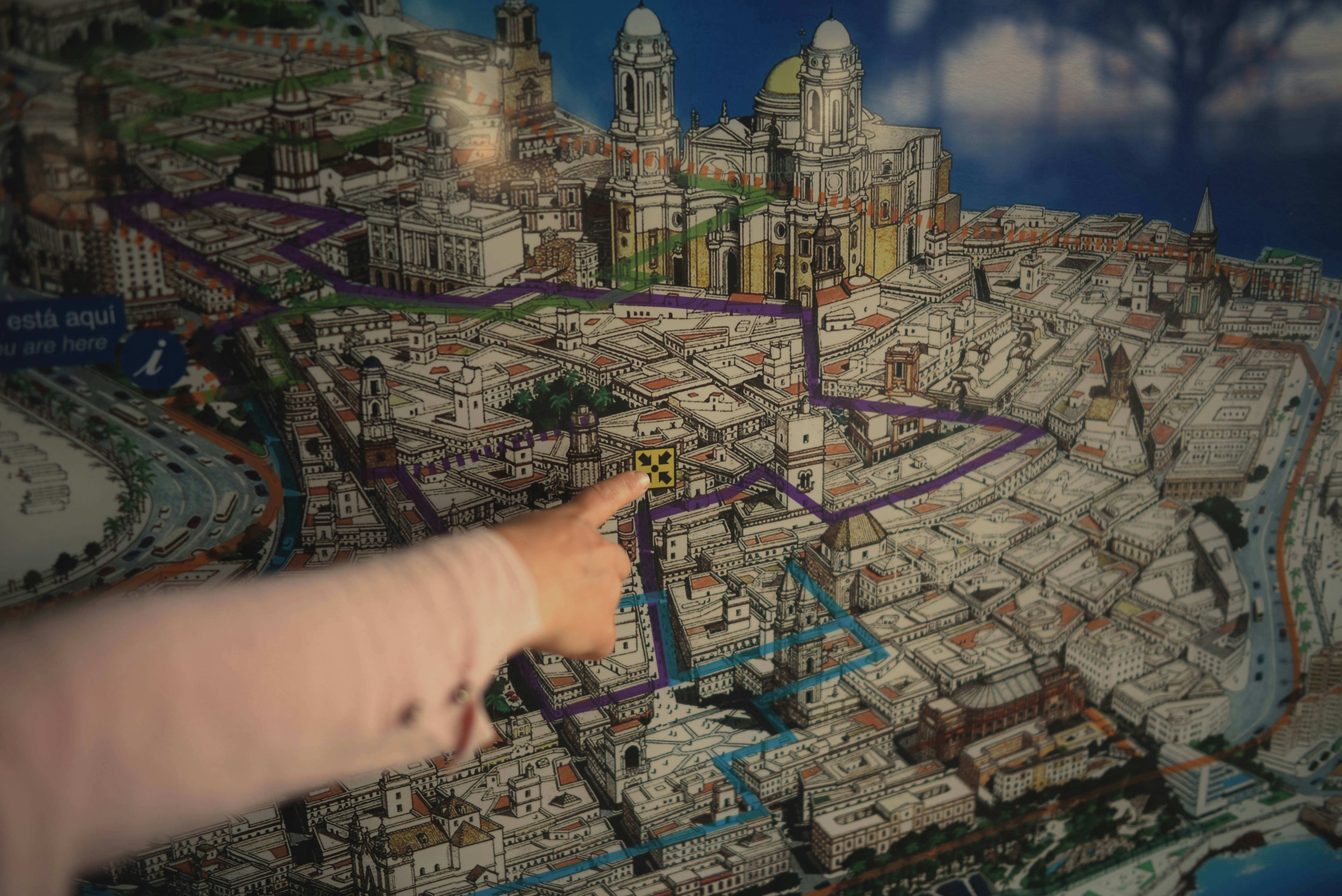
Manchester Urban Zones and Districts
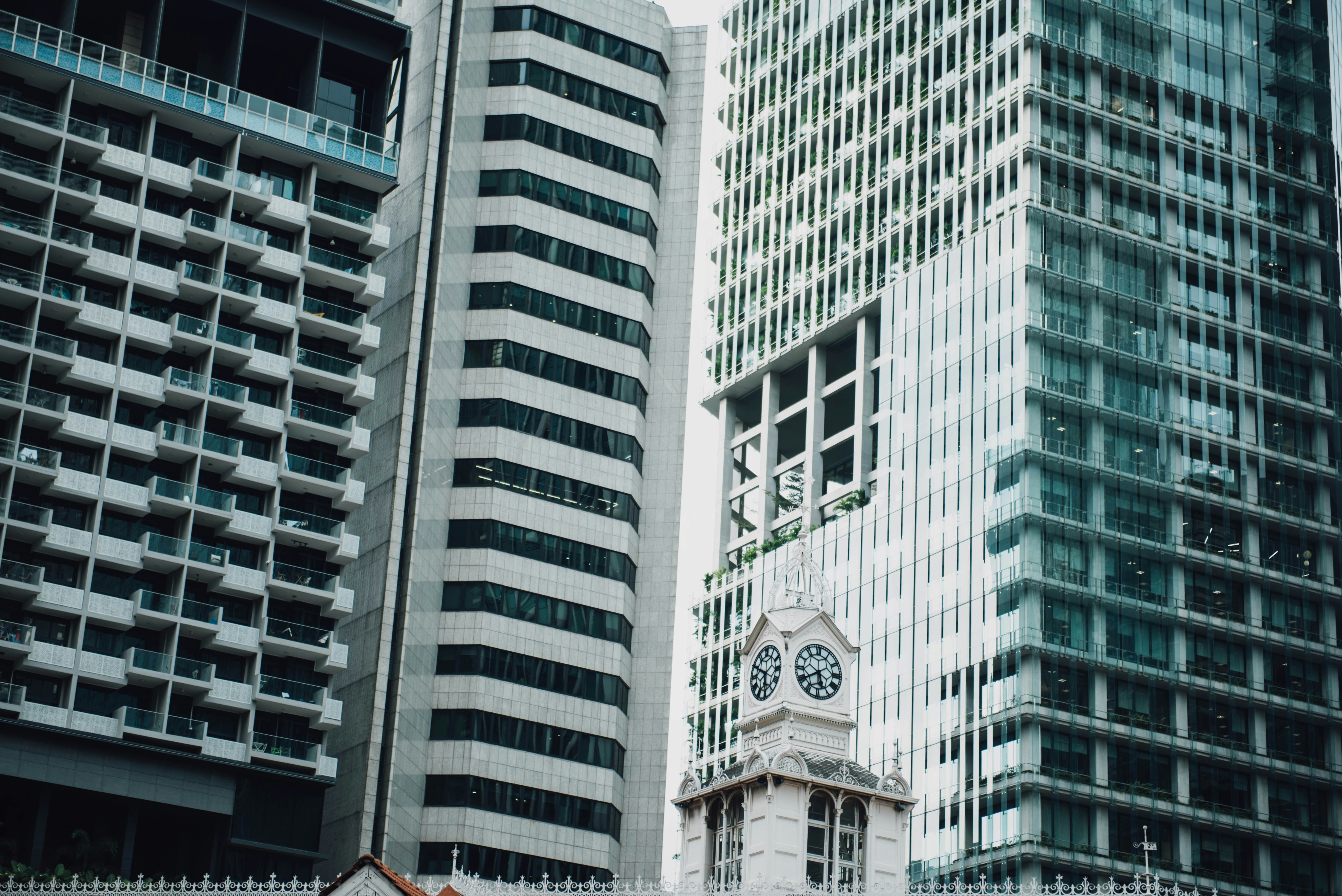
Contrasting architecture showcasing Manchester's urban regeneration