
Human Geography Lab
Master Population, Culture, Economy & Society
Explore how human populations shape and are shaped by their environments. Understand cultural diversity, economic systems, political geography, and social development through interactive tools and real-world UK examples.
Why Human Geography Matters
Understanding human geography helps you make sense of global events, migration patterns, economic development, and cultural diversity. Essential for GCSE Geography and beyond, these skills prepare you to understand and engage with our interconnected world.
Examples
Difficulty
Practice
Resources
What is Human Geography?
Human Geography is the study of how people interact with their environment and how human activities shape the world around us.
Why Learn Human Geography?
Exam Preparation
Essential for GCSE Geography Paper 2 (Human Geography). Master population, urbanization, economic development, and resource management.
Understanding Societies
Understand global issues like migration, inequality, urbanization, and sustainable development that shape our world.
Career Relevance
Valuable for careers in urban planning, international development, policy-making, journalism, and business.
What You'll Learn
- 1Analyze population distribution and density patterns
- 2Understand migration causes and consequences
- 3Identify cultural regions and diversity
- 4Evaluate economic development indicators
- 5Analyze urbanization trends and challenges
- 6Understand political geography and borders
- 7Apply knowledge to real UK case studies
How to Use This Hub
Choose Your Level
Select KS2, KS3, or GCSE to match your current study level
Explore Topics
Review theory sections and real UK examples to build understanding
Use Interactive Tools
Visualize data with population analyzers and development indicators
Practice Questions
Test your knowledge with exam-style questions and instant feedback
Interactive Tools
Calculate, convert, and explore geographical data in real-time with our suite of interactive learning tools.

Grid Reference Locator
Visualize OS grid references on a map and get detailed coordinate data.

Bearing Calculator
Calculate exact bearings and distances between two coordinates with a visual compass.

Coordinate Converter
Convert seamlessly between Decimal Degrees and DMS formats in real-time.
Advanced Analysis Tools
Deep dive into complex geographical data with interactive visualizations.
Climate Graph Analyzer
Analyze temperature and precipitation data to identify climate zones.
Ecosystem Food Web
Build and explore complex food webs to understand energy flow.
Analyze Population Data
Explore population pyramids, demographic transitions, and analyze population statistics.
6 Question Types to Master
Practice all aspects of human geography with our comprehensive question bank. Each type targets specific skills needed for exam success.
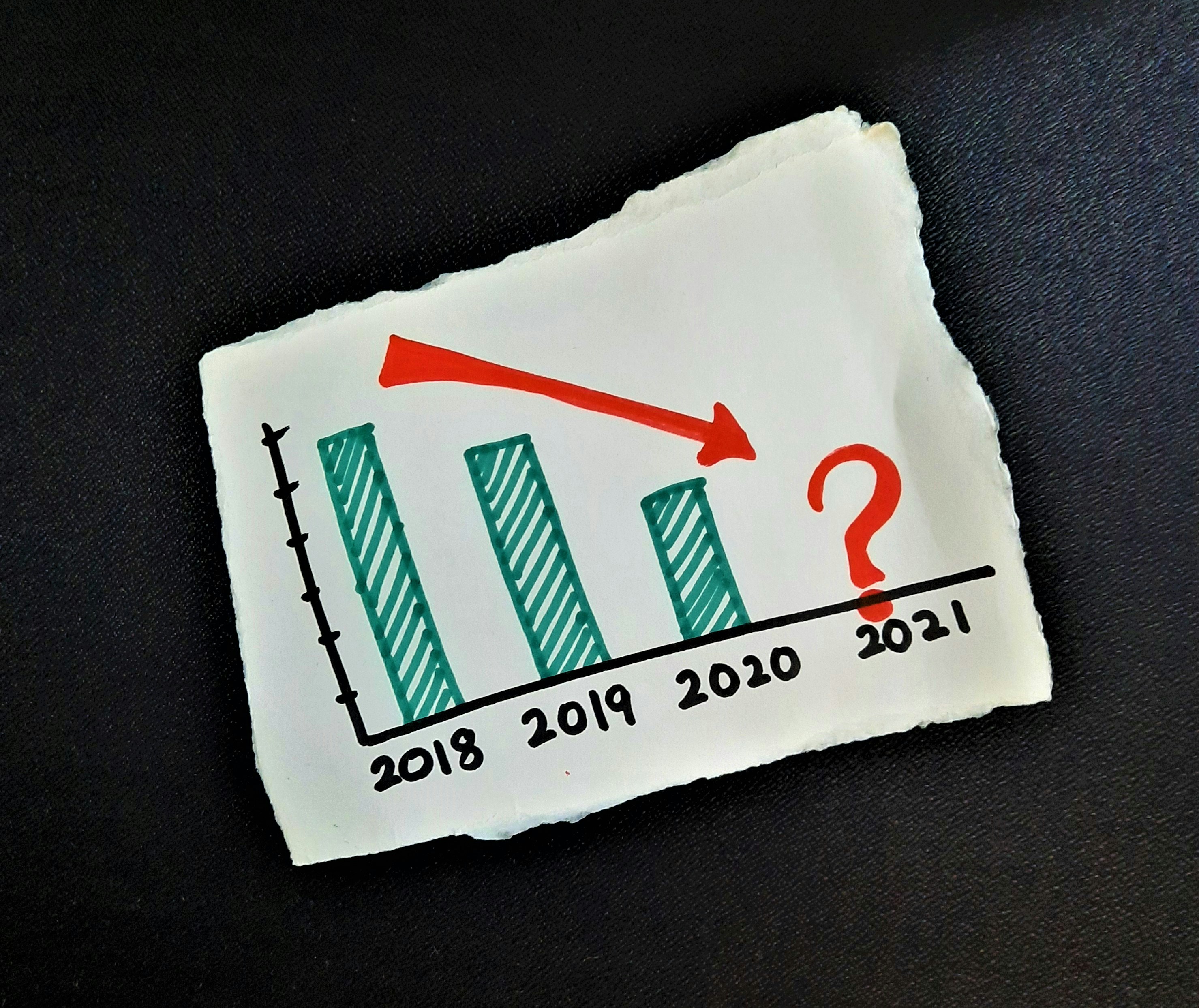
Analyze Population Data
Interpret population pyramids, density maps, and demographic statistics to understand population distribution and change.
Using the population pyramid, is this country experiencing rapid growth, slow growth, or decline?

Identify Cultural Regions
Recognize cultural patterns, language distributions, religious regions, and cultural landscapes across the world.
Which cultural region is characterized by predominantly Islamic traditions and Arabic language?

Analyze Economic Systems
Evaluate economic development indicators, trade patterns, and the distribution of wealth and resources.
Based on the HDI data, classify this country as HIC, NEE, or LIC and justify your answer.
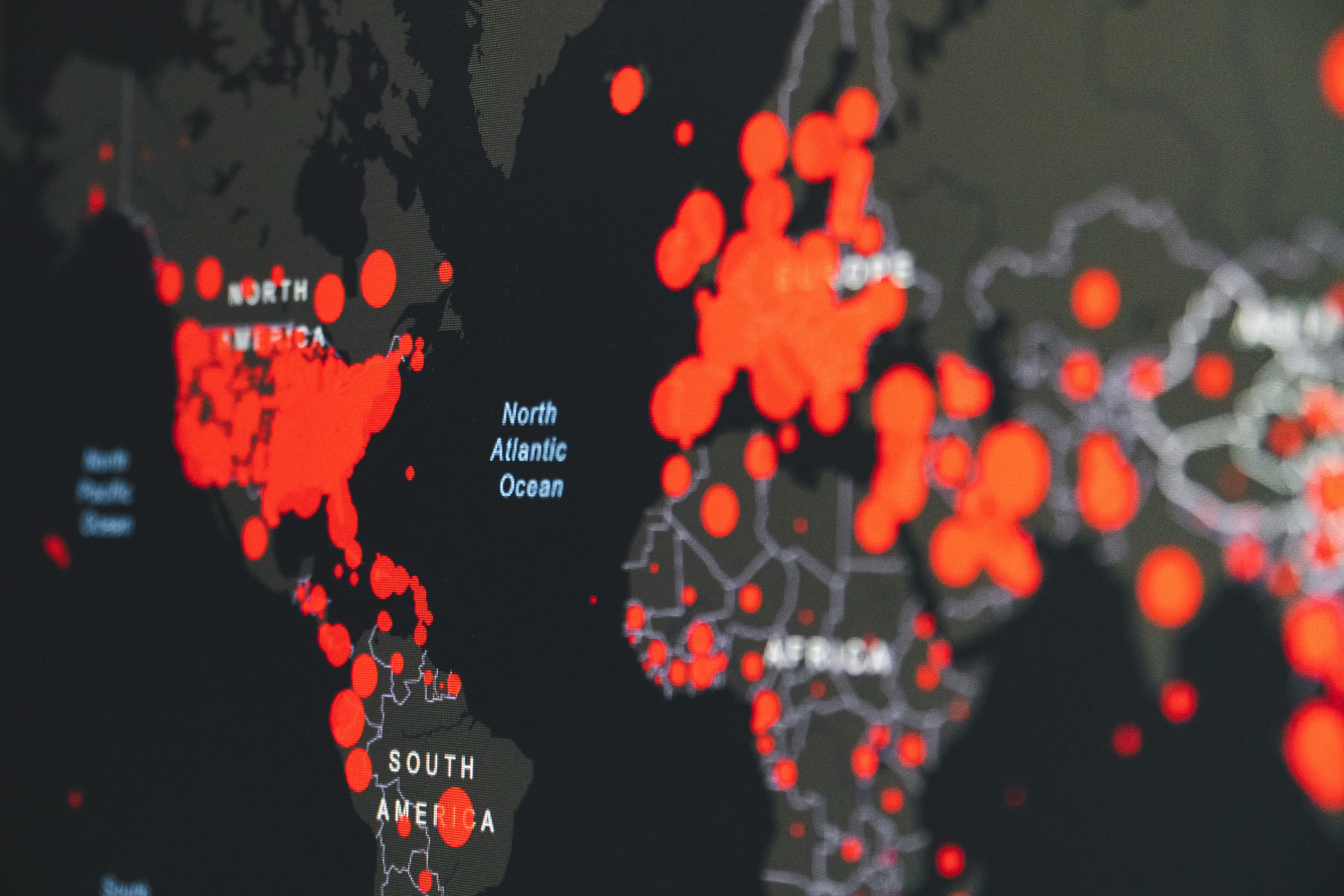
Understand Political Geography
Analyze borders, territorial disputes, governance systems, and geopolitical relationships between nations.
Explain why the border between India and Pakistan is a source of ongoing conflict.

Analyze Urbanization
Study urban growth patterns, megacities, urbanization challenges, and sustainable city planning.
What are the main push and pull factors causing rural-to-urban migration in developing countries?
UK Human Geography Analysis
Apply human geography concepts to real UK case studies including population, economy, and regional development.
Analyze the economic regeneration of Manchester since the decline of its textile industry.
Real UK Examples Showcase
Contextualize learning with detailed case studies from across the United Kingdom.
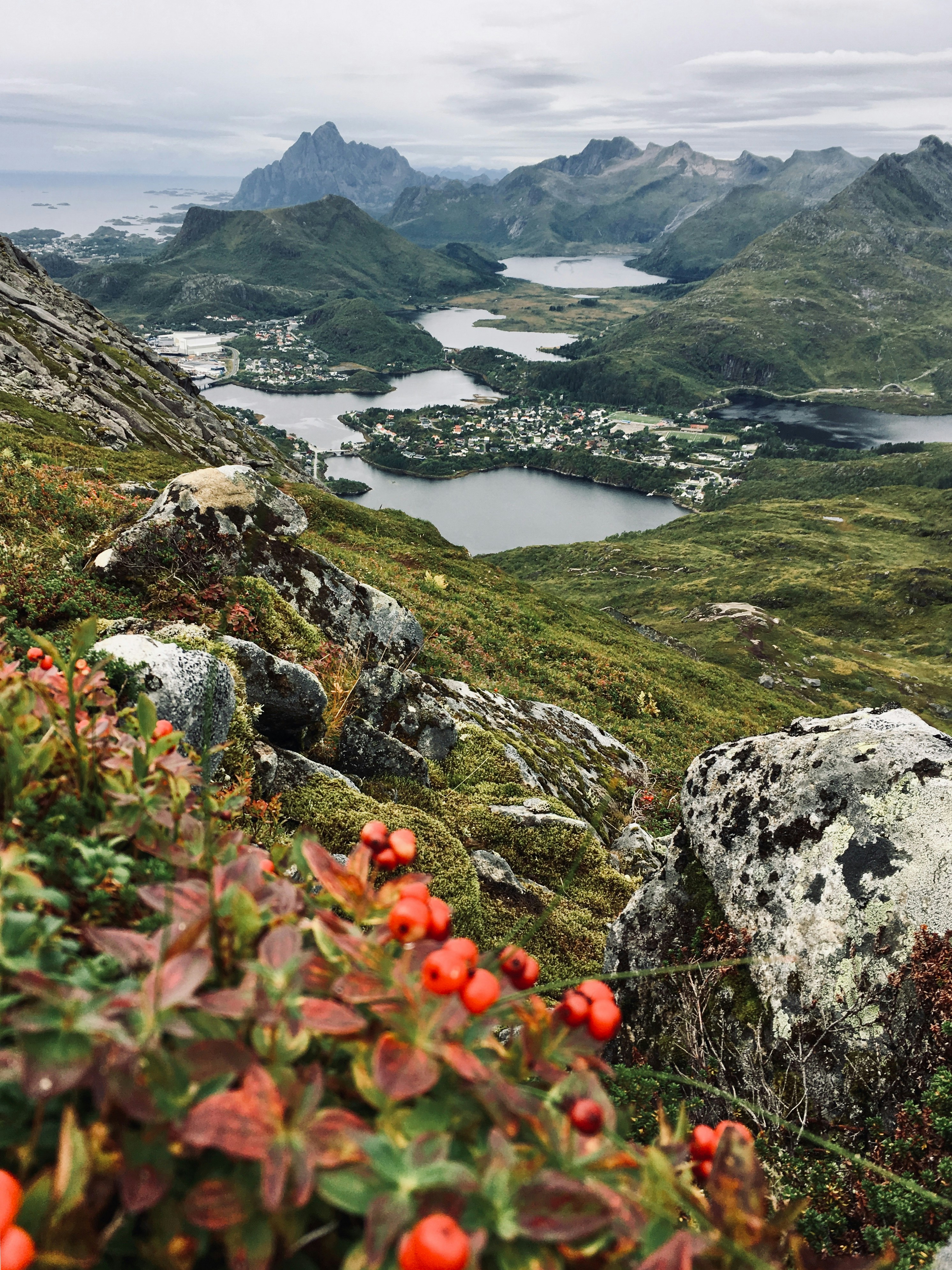
Lake District
Glaciated landscapes, ribbon lakes, tourism pressures, conservation

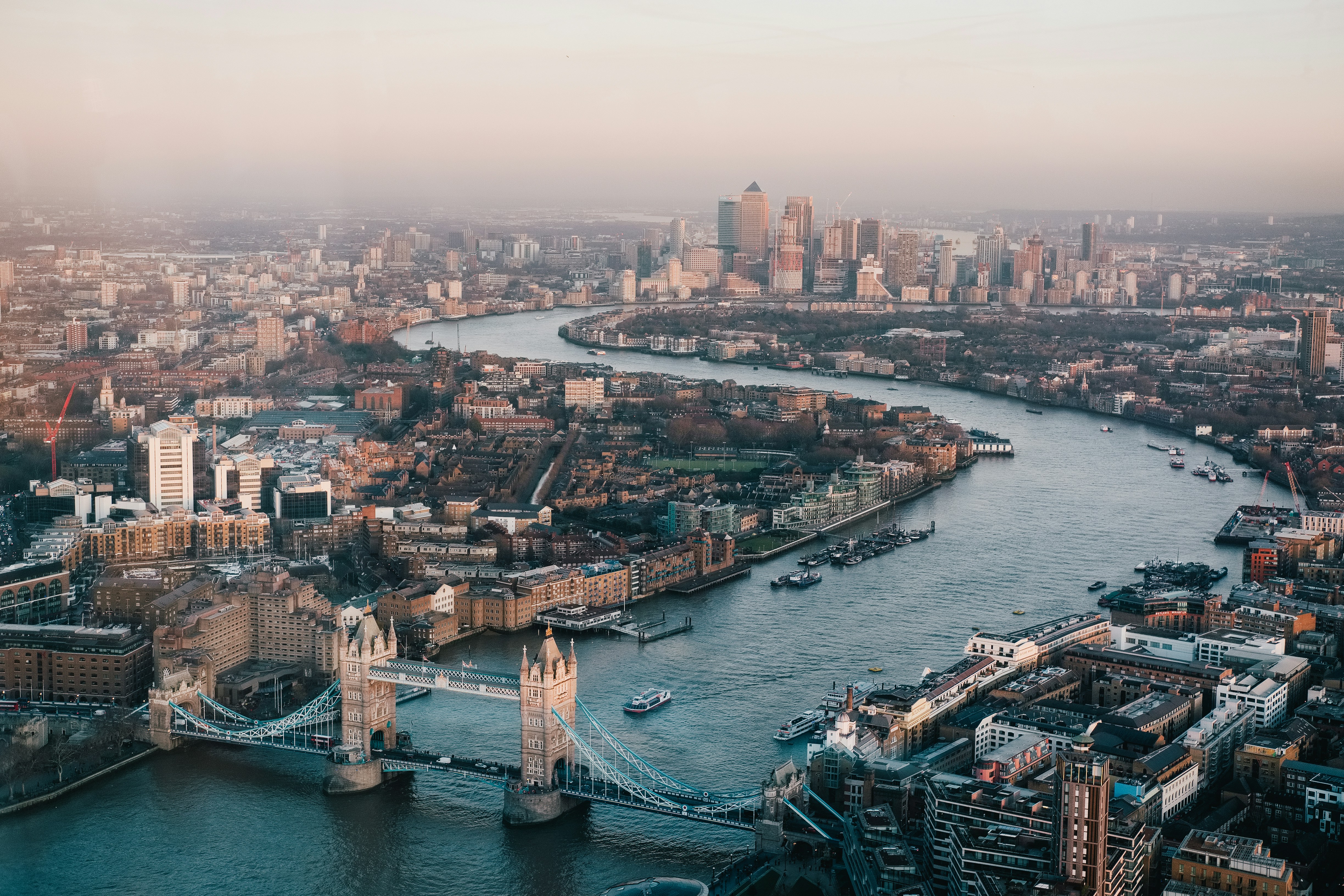
London
Global financial center, cultural diversity, urban regeneration
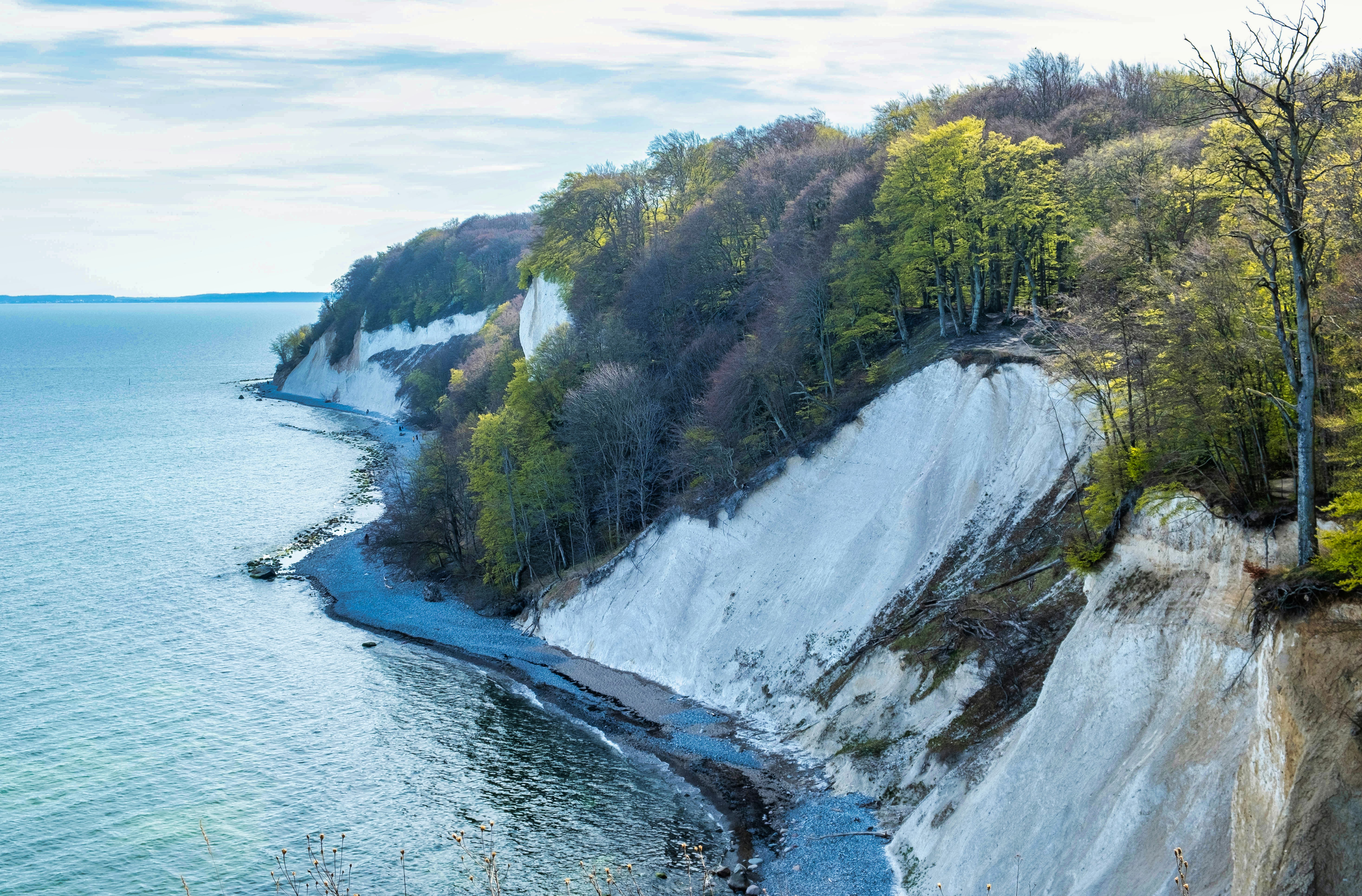
Holderness Coast
Rapid coastal erosion, soft boulder clay, coastal management conflicts

Manchester
Industrial heritage, MediaCityUK, university hub, Northern Powerhouse
Everything You Need to Excel
Comprehensive tools and resources designed to help you master human geography concepts and ace your exams.
Interactive Tools
- Population Pyramid Analyzer
- Cultural Diversity Explorer
- Economic Development Analyzer
- Political Geography Explorer
- Urbanization Simulator
Learning Resources
- Comprehensive Topic Guides
- Downloadable Worksheets
- Real-World Case Studies
- Video Explanations
- Revision Notes
Progress Tracking
- Track Your Scores
- Identify Weak Areas
- Monitor Improvement
- Personalized Recommendations
- Achievement Badges
Exam Preparation
- Exam-Style Questions
- Mark Schemes & Model Answers
- Common Mistakes Guide
- Timed Practice Tests
- Command Word Practice
Choose Your Difficulty Level
Select the level that matches your current study stage. Questions and content adapt to your chosen difficulty.
KS2
Introduction to basic human geography concepts
Simple population patterns, basic cultural differences, introduction to settlements
10-15 minutes per session
KS3
Developing understanding of human geography systems
Population pyramids, migration causes, economic development, urbanization patterns
15-20 minutes per session
GCSE
Advanced analysis and evaluation for exam success
Detailed case studies, development indicators (HDI, GNI), geopolitical analysis, sustainability
20-30 minutes per session
Your Learning Journey
Ready to Get Started?
Choose how you want to begin your human geography learning journey. All paths lead to exam success!
Not sure where to start?
We recommend beginning with the Interactive Quiz to assess your current knowledge, then exploring the Learning Resources to fill any gaps.
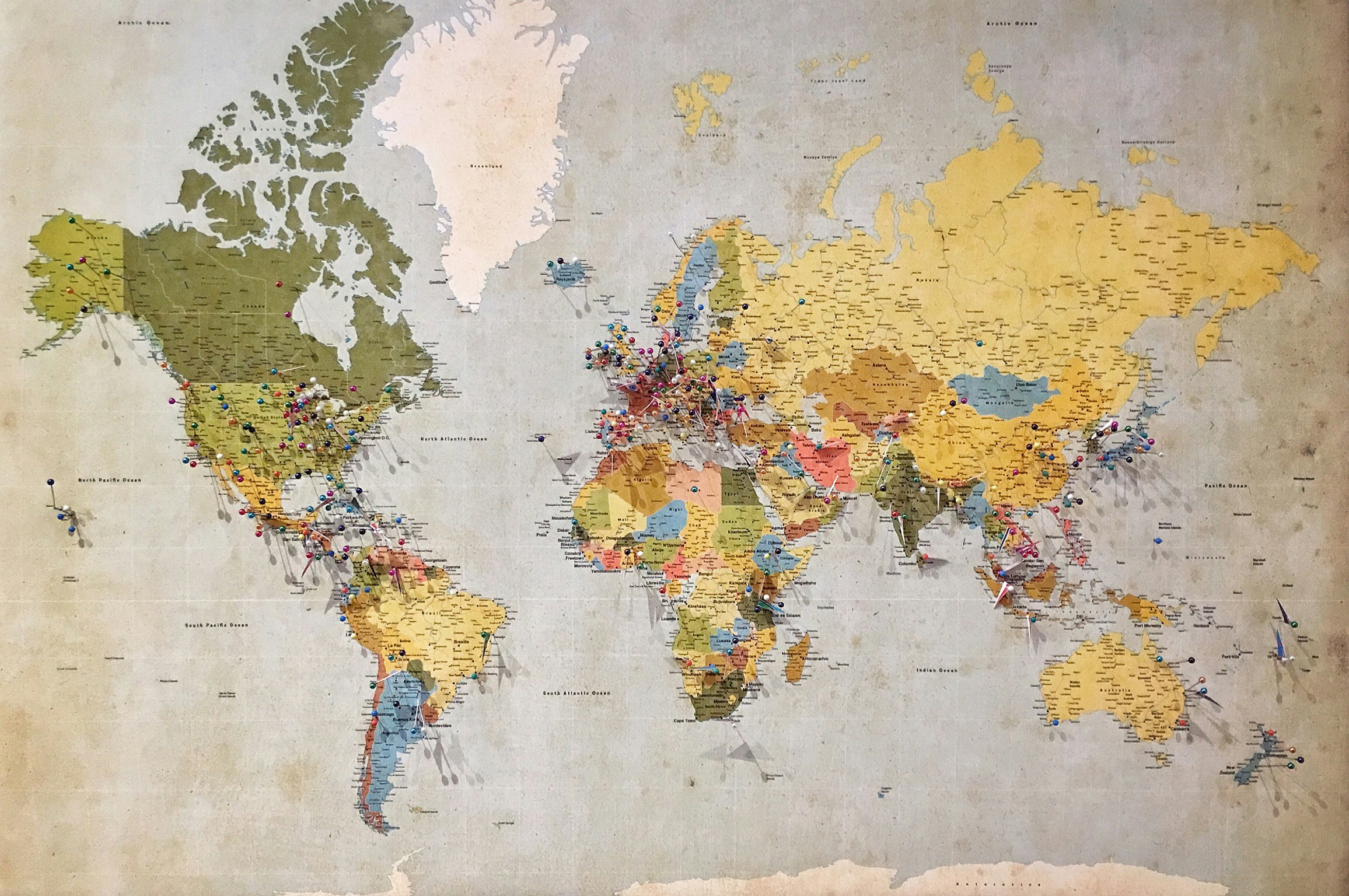
Explore Related Geography Tools
Expand your geography skills with our other interactive learning tools and resources.


Frequently Asked Questions
Find answers to common questions about BritGeoHub, our features, pricing, and how we support geography education.
Still have questions?
Can't find the answer you're looking for? Our support team is here to help you get the most out of BritGeoHub.
Key Terms Glossary
Master the geographical vocabulary needed for your exams.
Adaptation
A physical or behavioral characteristic that helps an organism survive in its environment.
Biome
A large naturally occurring community of flora and fauna occupying a major habitat, e.g., forest or tundra.
Climate
The long-term average of weather conditions in a specific region, typically measured over 30 years.
Climate Zone
A large area of Earth with a particular pattern of weather.
Deciduous
Trees or shrubs that shed their leaves annually, usually in autumn.
Ecosystem
A biological community of interacting organisms and their physical environment.
Evergreen
A plant that retains green leaves throughout the year.
Food Chain
A hierarchical series of organisms each dependent on the next as a source of food.
Food Web
A system of interlocking and interdependent food chains.
Permafrost
A thick subsurface layer of soil that remains frozen throughout the year, occurring chiefly in polar regions.
Precipitation
Any form of water - liquid or solid - falling from the sky (rain, snow, sleet, hail).
Temperate
A region or climate characterized by mild temperatures.
Tropical
Relating to the region between the Tropic of Cancer and the Tropic of Capricorn, characterized by hot weather.
Weather
The state of the atmosphere at a place and time as regards heat, dryness, sunshine, wind, rain, etc.