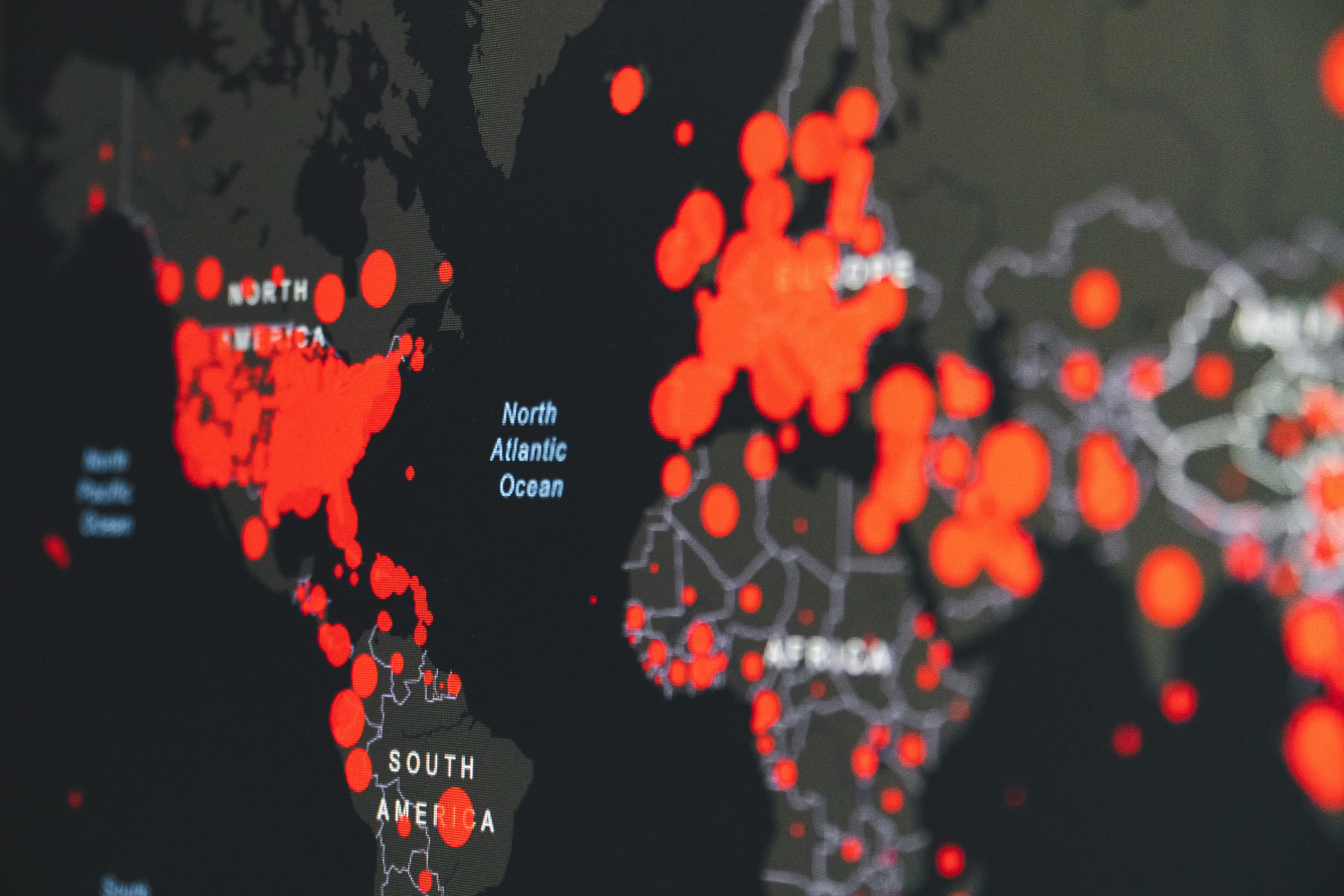
Climate & Biomes Lab
Master Global Climate Systems & Ecosystems
Dive into the fascinating world of weather patterns, climate zones, and the diverse ecosystems they support. Interactive tools, real-world examples, and exam-focused practice.
What are Climate & Biomes?
Climate is the long-term pattern of weather in a particular area, typically averaged over 30 years. It determines the temperature and precipitation a region receives.
Biomes are large geographical areas characterized by their climate and the distinct plants and animals adapted to live there. From the freezing tundra to the sweltering rainforest, climate dictates the biome.
Why Learn This?
Understanding climate and biomes is crucial for comprehending global ecosystems, agriculture, human settlement patterns, and the profound impacts of climate change on our planet.
What You'll Learn
- Identify major global climate zones
- Understand characteristics of key biomes
- Read and interpret climate graphs
- Analyze ecosystem food webs
- Evaluate climate change impacts
How to Use This Hub
Start by reviewing the theory sections below, then use the interactive tools to visualize the data. Finally, test your knowledge with the practice questions tailored to your key stage.
Interactive Learning Tools
Bring geography to life with our suite of interactive tools designed to help you visualize and understand complex climate and ecosystem concepts.
Climate Zone Identifier
Input temperature and rainfall data to instantly identify the climate zone and typical biomes of that region.
- Interactive Sliders
- Real-time Classification
- Zone Descriptions
Climate Graph Analyzer
Learn to read and interpret climate graphs (climographs). Practice matching graphs to their correct global locations.
- Bar & Line Graph Integration
- Data Interpretation Quiz
- Visual Feedback
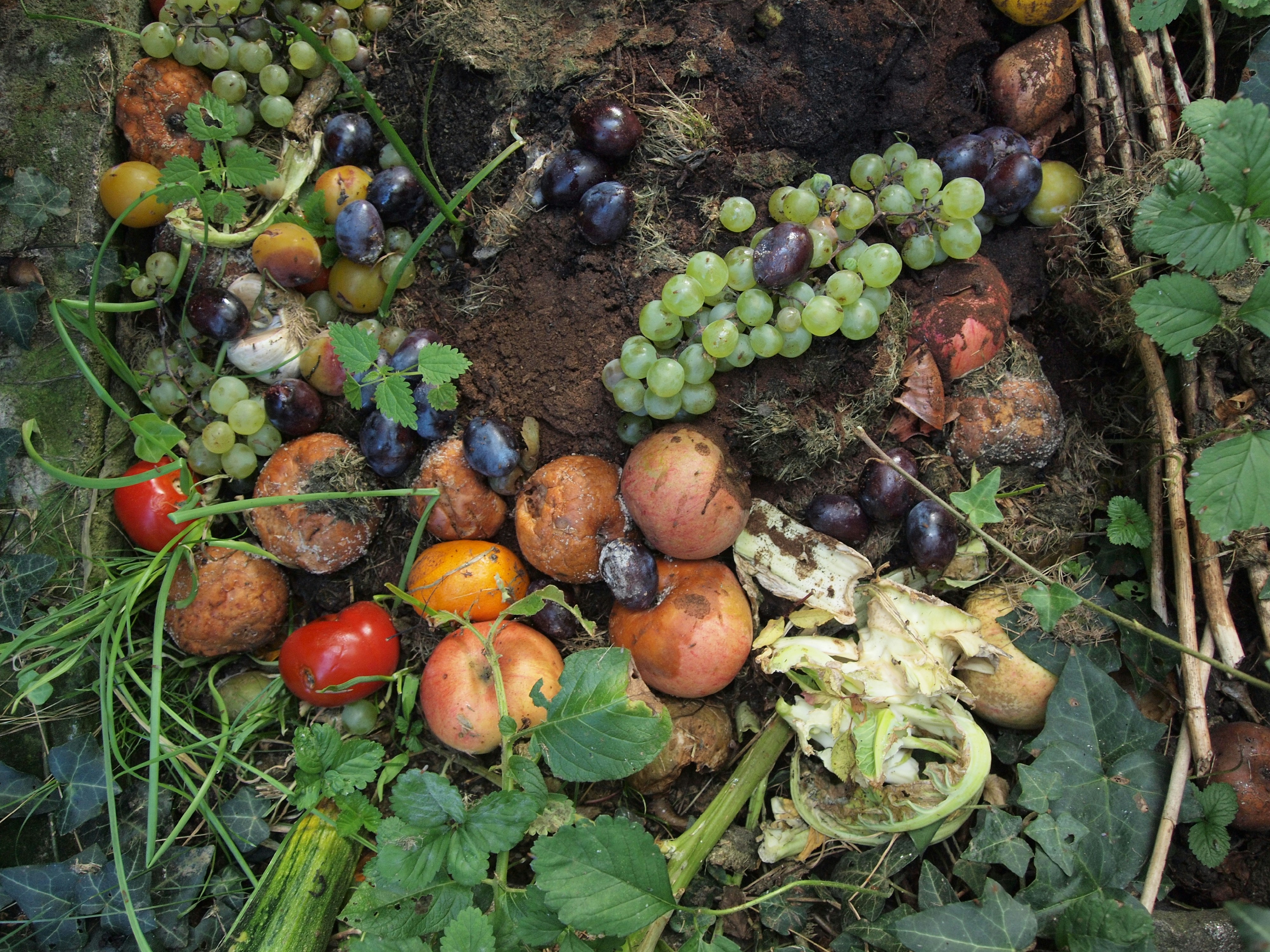
Ecosystem Food Web Builder
Simulate ecosystem shocks by removing species from a food web and observing the cascading impacts.
- Interactive Food Web
- Trophic Level Analysis
- Ecosystem Shock Scenarios
Climate Change Impact Simulator
Adjust global temperatures and see the projected impacts on sea levels, biomes, and extreme weather events over the next 100 years.
- Temperature Slider
- Sea Level Visualization
- Biome Shift Predictions
Practice Question Types
Choose a topic to start practicing. Questions adapt to your chosen key stage level.
Identify Climate Zones
Practice identifying global climate zones based on temperature and precipitation data.
Which climate zone is characterized by hot, dry summers and mild, wet winters?
Classify Biomes
Match biomes to their correct geographical locations and climate characteristics.
Which biome is found near the equator and has high biodiversity?
Analyze Weather Data
Read and interpret climate graphs (climographs) to determine locations.
Based on this climograph, is this location in the Northern or Southern Hemisphere?
Climate Change Impacts
Evaluate the potential effects of global warming on specific biomes.
How might rising sea levels affect the Sundarbans mangrove forest?
Ecosystem Relationships
Build and analyze food webs within specific biomes.
What would happen to the rabbit population if foxes were removed?
UK Climate & Biomes Analysis
Apply your knowledge to specific regions within the United Kingdom.
Explain why the west coast of the UK receives more rainfall than the east coast.
Global Climate Zones Explained
The Earth is divided into distinct climate zones based on temperature and precipitation patterns. Understanding these zones is key to explaining global ecosystems.
Tropical
Located near the equator. Experiences minimal seasonal temperature variation but may have distinct wet and dry seasons.
Arid (Dry)
High evaporation rates exceed precipitation. Clear skies allow for rapid heating during the day and rapid cooling at night.
Temperate
Located between the tropics and polar regions. Features four distinct seasons with warm summers and cool/cold winters.
Polar
Located near the poles. Experiences extreme variations in daylight hours between summer and winter. Permafrost is common.
Mediterranean
Found on the western sides of continents between 30° and 45° latitude. Highly influenced by ocean currents.
Major World Biomes
Biomes are large-scale ecosystems defined by their climate and the dominant plant life. Explore the characteristics of the world's major biomes.
Tropical Rainforest
Where: Near the equator (Amazon, Congo, SE Asia)
Climate: Hot and wet year-round. High humidity.
Dense canopy, emergent trees, lianas, epiphytes. Highest biodiversity.
Jaguars, toucans, poison dart frogs, sloths, millions of insect species.
Latasols - nutrient-poor due to rapid leaching, but rapid nutrient cycling.
Deforestation for agriculture (soy, cattle), logging, mining.
Tropical Grassland (Savanna)
Where: Between rainforests and deserts (Africa, Brazil, Australia)
Climate: Distinct wet and dry seasons. Warm year-round.
Tall grasses, scattered drought-resistant trees (Baobab, Acacia).
Lions, elephants, zebras, giraffes, kangaroos.
Porous, with rapid water drainage. Thin layer of humus.
Overgrazing, desertification, poaching, climate change.
Desert
Where: Around 30° N and S of the equator (Sahara, Mojave, Arabian)
Climate: Extremely dry. Hot days, cold nights.
Cacti, succulents, deep-rooted shrubs. Plants adapted to store water.
Camels, fennec foxes, scorpions, snakes. Many are nocturnal.
Sandy or rocky, very low in organic matter, high in minerals.
Off-road vehicles, water extraction, climate change.
Temperate Deciduous Forest
Where: Mid-latitudes (Europe, Eastern North America, East Asia)
Climate: Four distinct seasons. Moderate rainfall year-round.
Broadleaf trees (oak, beech, maple) that lose leaves in winter.
Deer, foxes, squirrels, bears, migratory birds.
Brown earth - deep, fertile, rich in nutrients from decaying leaves.
Urbanization, agriculture, acid rain, invasive species.
Temperate Grassland
Where: Interiors of continents (Prairies in NA, Steppes in Eurasia)
Climate: Hot summers, cold winters. Moderate rainfall (less than forests).
Grasses of varying heights, very few trees.
Bison, prairie dogs, wolves, hawks.
Chernozem (black earth) - extremely deep and fertile.
Conversion to farmland, overgrazing, soil erosion.
Tundra
Where: High latitudes near the poles (Arctic, Antarctica, Alpine regions)
Climate: Extremely cold, long winters. Short, cool summers. Low precipitation.
Mosses, lichens, low shrubs. No trees due to permafrost.
Polar bears, Arctic foxes, caribou, migratory birds.
Permafrost (permanently frozen ground). Thin, nutrient-poor active layer.
Climate change (melting permafrost), oil/gas extraction.
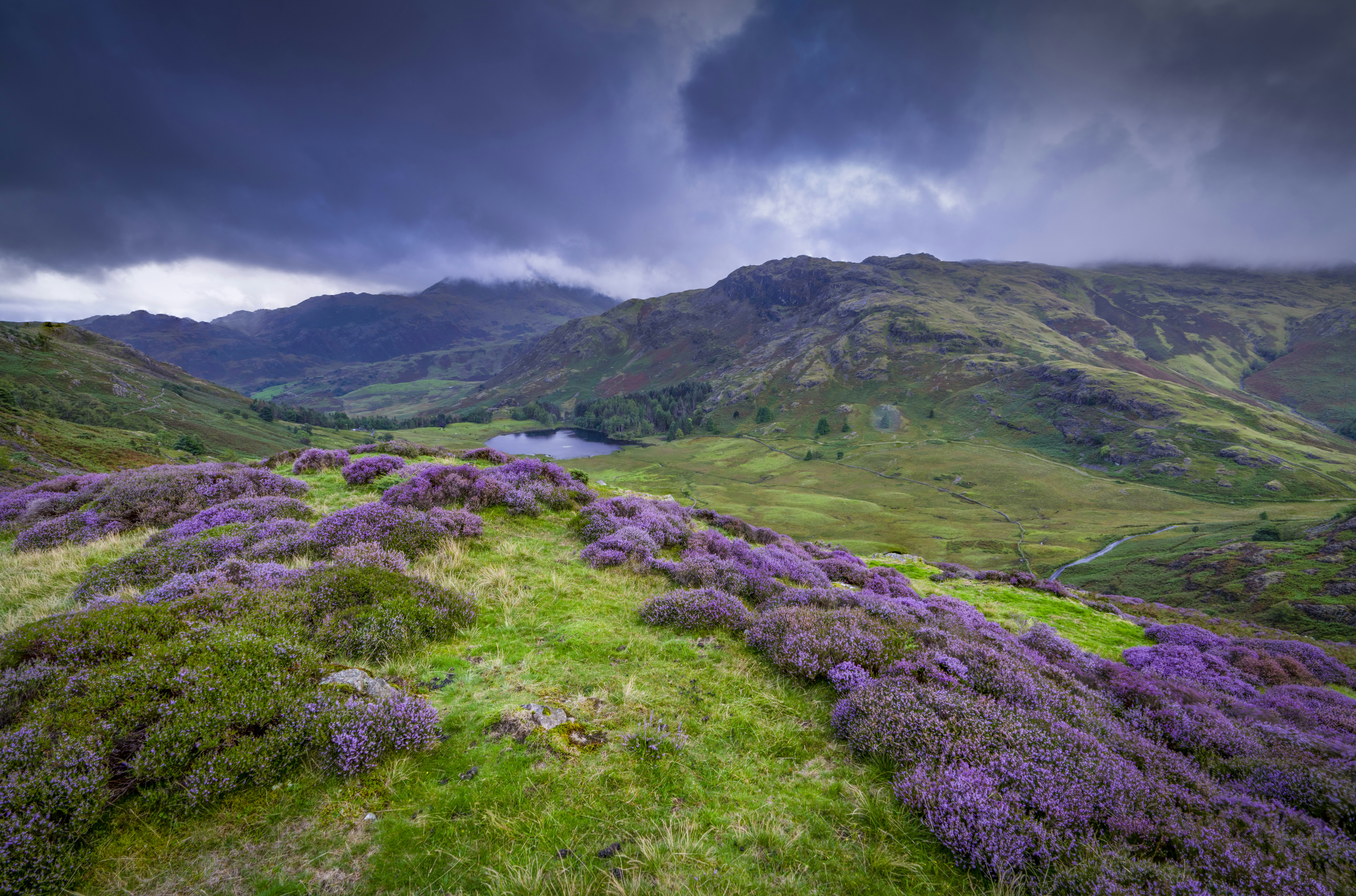
Real UK Climate & Biomes
Despite its small size, the UK has diverse microclimates and ecosystems. Explore how latitude, altitude, and ocean currents shape our local environments.
Scottish Highlands
Lake District, Cumbria
Southeast England (London)
Snowdonia, Wales
New Forest, Hampshire
Common Mistakes & How to Avoid Them
Don't lose marks in your exams! Watch out for these frequent errors when studying climate and biomes.
Confusing Weather and Climate
Saying 'the climate today is rainy' instead of 'the weather today is rainy'.
Weather is short-term (day-to-day). Climate is long-term (average over 30+ years). Remember: 'Climate is what you expect, weather is what you get.'
Misidentifying Biomes
Assuming all deserts are hot, or confusing savannas with temperate grasslands.
Deserts are defined by low rainfall, not high temperature (e.g., Antarctica is a desert). Savannas are tropical (warm year-round), while temperate grasslands have cold winters.
Incorrect Climate Zone Classification
Thinking the UK has a polar climate because it snows sometimes.
The UK is Temperate Maritime. Look at the annual averages, not extreme weather events, to determine a climate zone.
Misunderstanding Food Chains
Drawing arrows pointing from the predator to the prey.
Arrows in a food chain represent the flow of energy. They must point FROM the organism being eaten TO the organism that eats it (e.g., Grass → Rabbit → Fox).
Oversimplifying Climate Change
Stating that global warming just means everywhere gets hotter.
Climate change causes extreme weather, shifts in precipitation patterns, and can even make some areas colder (e.g., if ocean currents like the Gulf Stream are disrupted).

Frequently Asked Questions
Find answers to common questions about BritGeoHub, our features, pricing, and how we support geography education.
Still have questions?
Can't find the answer you're looking for? Our support team is here to help you get the most out of BritGeoHub.
Key Terms Glossary
Master the geographical vocabulary needed for your exams.
Adaptation
A physical or behavioral characteristic that helps an organism survive in its environment.
Biome
A large naturally occurring community of flora and fauna occupying a major habitat, e.g., forest or tundra.
Climate
The long-term average of weather conditions in a specific region, typically measured over 30 years.
Climate Zone
A large area of Earth with a particular pattern of weather.
Deciduous
Trees or shrubs that shed their leaves annually, usually in autumn.
Ecosystem
A biological community of interacting organisms and their physical environment.
Evergreen
A plant that retains green leaves throughout the year.
Food Chain
A hierarchical series of organisms each dependent on the next as a source of food.
Food Web
A system of interlocking and interdependent food chains.
Permafrost
A thick subsurface layer of soil that remains frozen throughout the year, occurring chiefly in polar regions.
Precipitation
Any form of water - liquid or solid - falling from the sky (rain, snow, sleet, hail).
Temperate
A region or climate characterized by mild temperatures.
Tropical
Relating to the region between the Tropic of Cancer and the Tropic of Capricorn, characterized by hot weather.
Weather
The state of the atmosphere at a place and time as regards heat, dryness, sunshine, wind, rain, etc.